As an Amazon Associate, we earn from qualifying purchases. Some links on this site are affiliate links at no extra cost to you. Our recommendations are based on thorough research and editorial judgment.


Luxury Fabric Guide: Designer Quality Vs Mass Production

Designer fabrics are your ticket to a wardrobe that'll last! When you're comparing luxury vs mass-produced materials, you'll notice huge differences in quality and durability. Designer pieces use premium materials like silk and merino wool, with meticulous attention to craftsmanship, while fast fashion often cuts corners with synthetic blends and rushed production. 🧵 You're not just paying for the name – you're investing in fabrics that'll look gorgeous 4-5 times longer than their cheaper counterparts! Plus, luxury brands typically embrace sustainable practices and ethical sourcing. It's worth exploring how these quality differences can transform your closet. ✨
Key Takeaways
- Luxury fabrics undergo rigorous quality control with multiple inspections, while mass-produced fabrics prioritize speed over craftsmanship.
- Designer pieces use premium materials like silk and merino wool, offering superior durability compared to synthetic materials in mass production.
- Limited production runs ensure exclusivity in luxury fabrics, contrasting with mass production's focus on high-volume, standardized output.
- Luxury brands emphasize sustainable and ethical practices, while mass production often relies on environmentally harmful manufacturing methods.
- Designer fabrics maintain value over time through timeless design and quality construction, unlike trend-driven mass-produced items with shorter lifespans.
The Evolution of Designer Fabrics
You may be interested
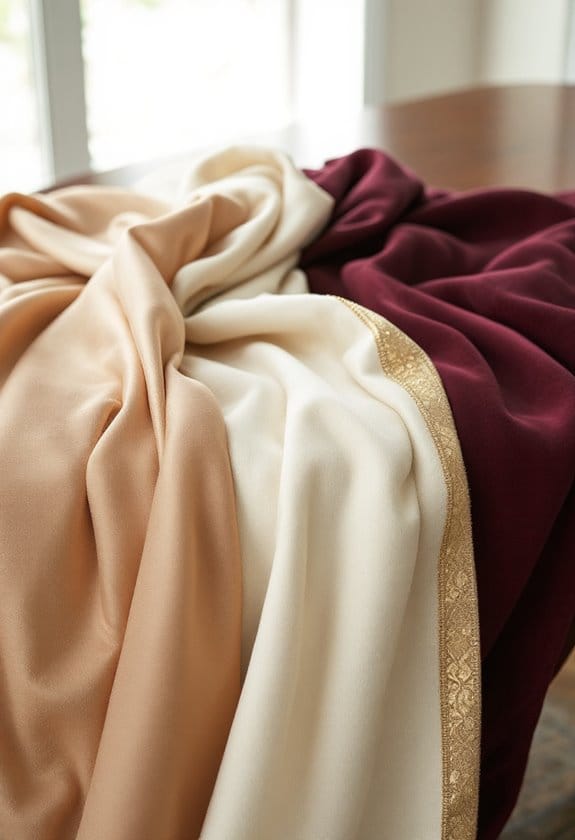


The best part? When you're wearing these fabrics, you're not just wearing clothes – you're wearing pieces of fashion history in the making! 🌟
Understanding Luxury Material Standards
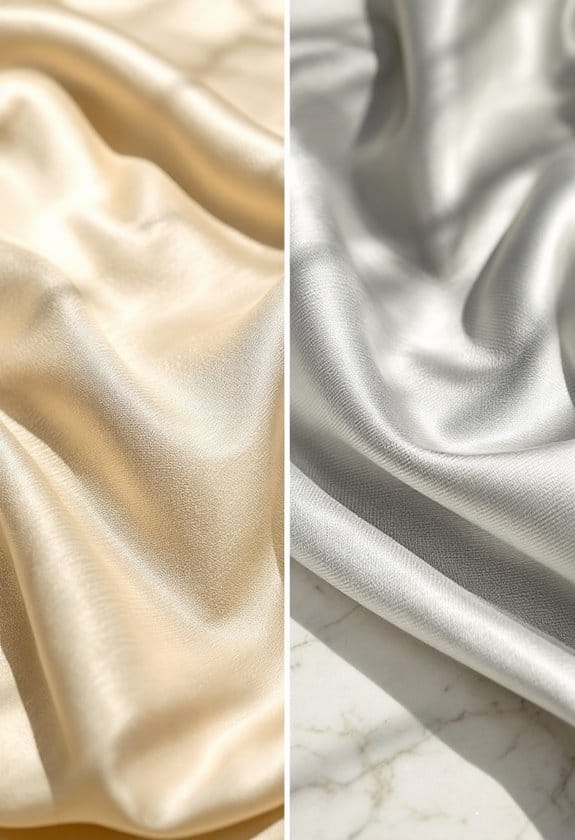
What makes luxury fabrics truly stand out is their commitment to sustainable practices and ethical production. Unlike fast fashion's rushed manufacturing, these materials come from carefully selected sources with proper attention to environmental impact. You'll love knowing that your gorgeous ombre-embroidered organza wasn't just made to look pretty – it was created with respect for both artisans and nature. When you choose luxury textiles, you're not just buying fabric – you're supporting centuries of refined craftsmanship and responsible manufacturing! 🌿
Mass Production Quality Control
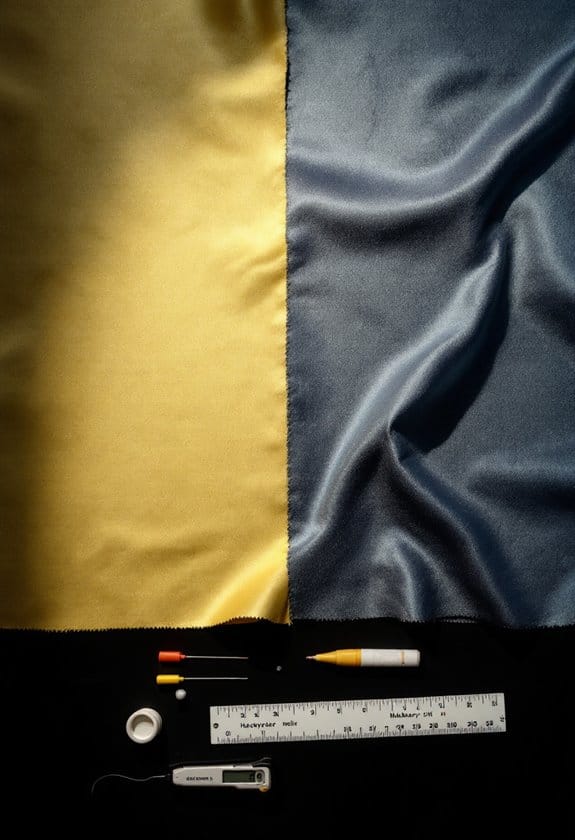
Want to know something shocking? More than 80% of our clothes end up in landfills, and poor quality control is a huge reason why. Those "amazing deals" you're finding might not be such bargains after all when they don't last. While luxury pieces get careful attention and multiple quality checks, mass production often skips these vital steps. The result? Well, let's just say there's a reason your designer pieces last years while those trendy bargains might not survive the season! 🤔
Premium Fabric Selection Process
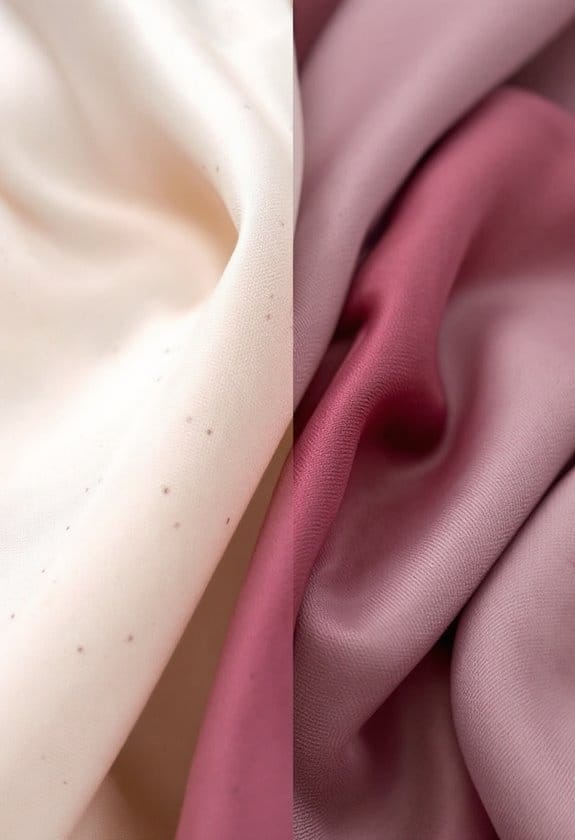
When you're looking for the finest fabrics in fashion, you'll notice the premium selection process starts with carefully sourced natural materials like silk, cotton, and merino wool 🧵. Top European producers, like Jakob Schlaepfer, put these materials through intense quality checks that test everything from fiber strength to color consistency! Your luxury fabrics get even more special with artisan touches – think hand-embroidery, delicate featherwork, and sparkly Swarovski crystals that make each piece truly unique ✨.
Material Sourcing and Standards
What's really cool is how environmentally friendly the sourcing process has become. Luxury brands are working hard to guarantee their materials aren't just beautiful, but also sustainable and ethically produced. They're partnering with farmers who grow organic cotton, shepherds who raise merino sheep humanely, and silk producers who follow traditional, eco-conscious methods. So when you're wearing that gorgeous silk blouse or cashmere sweater, you can feel good knowing it's not just luxurious – it's responsible too! ✨
Rigorous Quality Control Tests
The best part? These tests aren't just about looks – they're checking for harmful substances too. So when you're rocking that luxury piece, you can feel confident knowing it's passed standards that regular mass-produced fabrics don't even come close to meeting. That's what makes premium fashion worth every penny!
Artisan Selection Techniques
What makes these fabrics worth the investment? It's all in the details! You'll notice the precise stitching, the way light catches those intricate embellishments, and the unmistakable feel of premium natural fibers. When you're choosing luxury textiles, remember that each piece tells a story of craftsmanship – from the initial fiber selection to those final artistic touches. Trust us, your finished garments will thank you for it! ✨
Craftsmanship Behind Designer Textiles
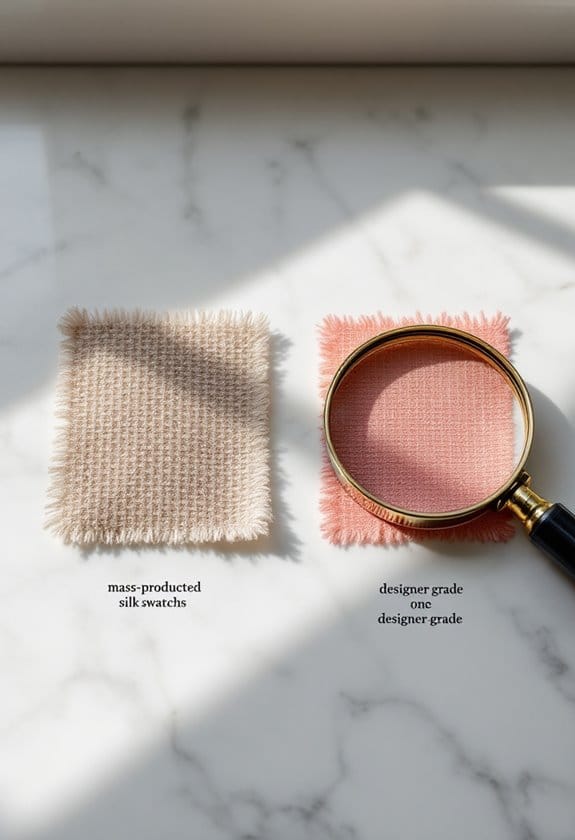
Craftsmanship lies at the heart of every designer textile, where premium natural fibers like silk, cotton, and merino wool are transformed into works of wearable art. You'll find that these high fashion fabrics aren't just beautiful – they're built to last! ✨ The quality speaks for itself when you feel the difference between mass-produced materials and these luxurious creations.
When you're exploring designer textiles, you'll notice the incredible attention to detail. Those stunning hand-embroidered patterns? Each one's unique! And those sparkly embellishments aren't just any crystals – they're often Swarovski! 💎 The artisans who create these fabrics spend years perfecting their craft, using both traditional techniques and cutting-edge technology.
You might wonder why designer fabrics cost more than their everyday counterparts. Well, it's all in the details! From selecting the finest raw materials to employing skilled craftspeople, every step of the process demands excellence. Think of it this way: you're not just paying for fabric – you're investing in artistry, innovation, and durability. The result? Textiles that don't just look amazing but feel absolutely incredible to wear! 🎨
Environmental Impact of Production Methods
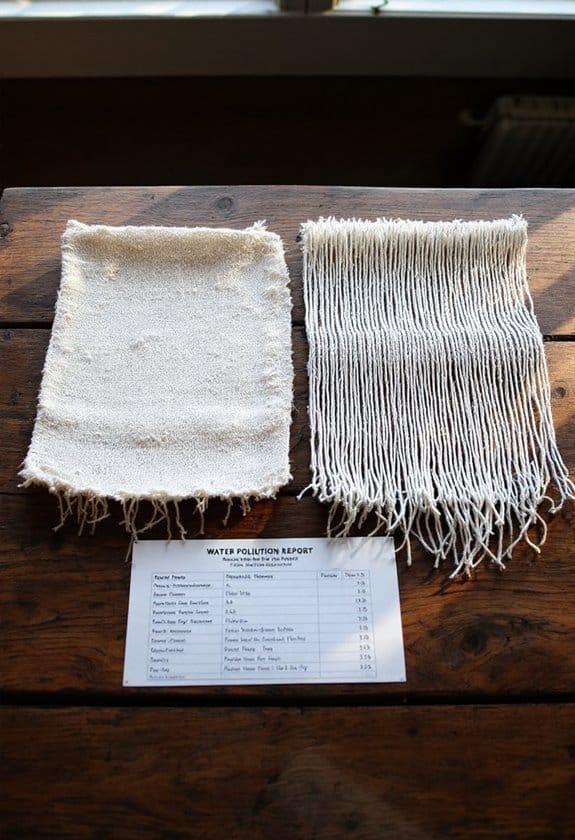
When you're shopping for luxury fabrics, you'll notice a huge difference between fast fashion's rushed production and sustainable manufacturing's careful approach to materials 🌿. While those budget-friendly polyester blends might seem tempting, they're actually filling up our landfills and can take centuries to break down! Let's look at how your favorite designers are tackling waste management and resource conservation, from recycled materials to zero-waste pattern cutting techniques that'll make you feel better about your fashion choices 💚.
Sustainable Vs Fast Manufacturing
On the flip side, sustainable manufacturing in luxury fashion is changing the game for the better. High-quality pieces are crafted with eco-friendly materials and smart practices that reduce waste. Think of it this way: when you invest in a luxury item, you're not just getting better quality – you're supporting production methods that care for our planet. ♻️ Cool innovations like on-demand manufacturing mean your clothes are made only after you order them, so there's no excess inventory gathering dust. It's like having your cake and eating it too, but make it fashion! 👗
Waste And Resource Management
While luxury pieces are typically better made than fast fashion, they're not automatically eco-friendly. Sure, they might use fancier materials, but without proper waste management, they're still part of the problem. You're looking at an industry that's responsible for 10% of global carbon emissions – yikes! 😮 The good news? More luxury brands are finally waking up to these issues, implementing recycling programs and sustainable production methods. Your choices matter, so always ask about a brand's waste management practices before making that purchase! ♻️
Cost Analysis Luxury Vs Mass
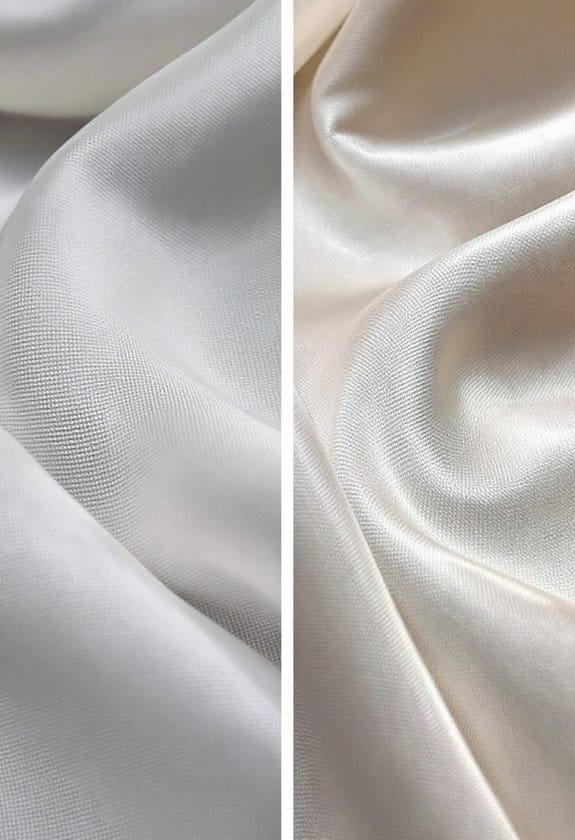
The stark difference between luxury and mass-produced fabrics comes down to more than just price tags. When you're looking at luxury fabrics like that gorgeous €444/m ombre embroidered organza (wow! 😍), you're really investing in exceptional quality and craftsmanship. Think about it – these aren't just randomly expensive materials!
You'll notice that mass production takes a totally different approach. It's all about churning out fabric quickly and cheaply, which honestly shows in the final product. While you might save money initially, you're probably going to spend more replacing those pieces over time. But here's the thing – luxury fabrics are built to last! That €1,884.70/m sequined wool gauze? It's not just paying for the name, you're getting cutting-edge technology and amazing attention to detail.
Let's be real – when you're comparing luxury vs. mass-produced fabrics, you're choosing between an investment piece and a quick fashion fix. Sure, the price difference is huge, but you're really paying for expertise, superior materials, and techniques that mass production just can't match. Worth every penny? For those special pieces, absolutely! ✨
Global Sourcing and Manufacturing
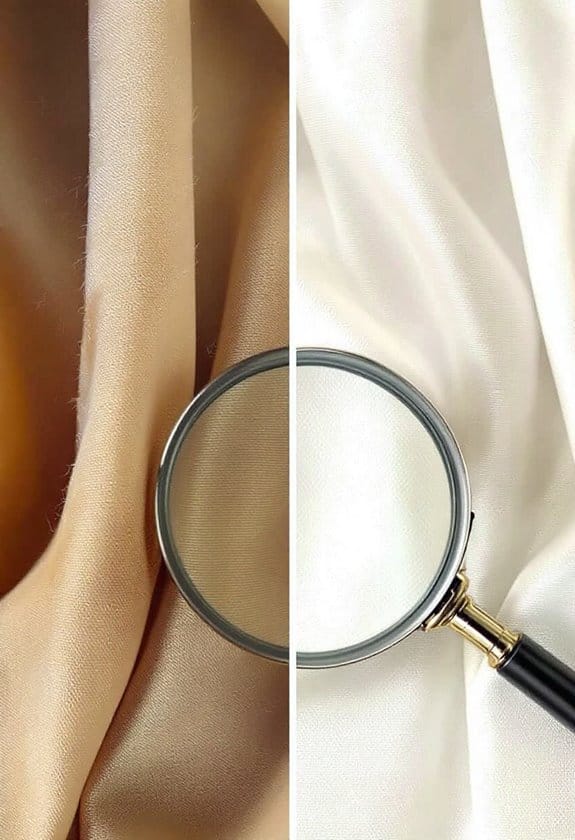
You might wonder why these fabrics cost so much more than mass-produced ones. Well, it's all in the details! These facilities use advanced techniques that you won't find in regular factories. Hand-embroidery, specialized weaving, and innovative fabric development – it's like watching art come to life. While mass producers focus on quantity, luxury manufacturers are all about quality control and creating something truly special. Trust us, there's a reason why these pieces end up in the world's finest boutiques! ⭐
Consumer Guide to Fabric Quality
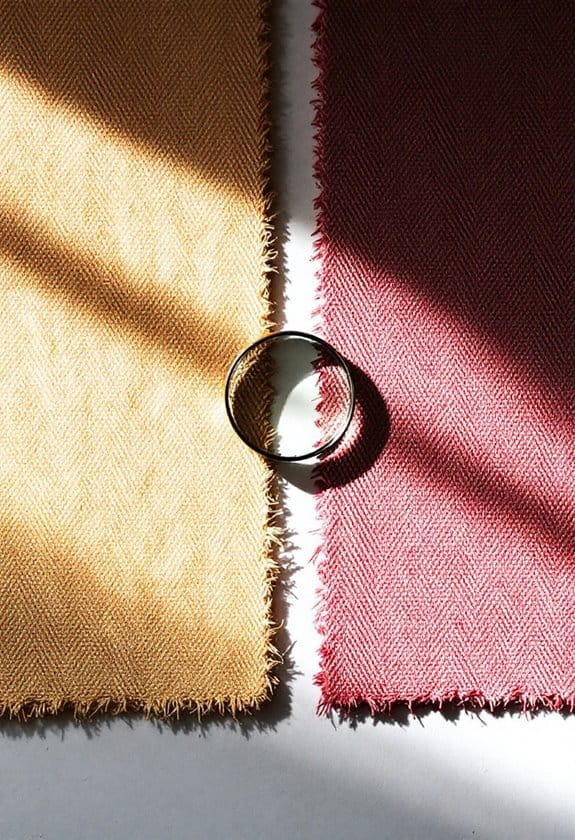
Remember, if you're investing in designer pieces, you're not just paying for the name. You're getting better materials, ethical production practices, and garments that'll stay gorgeous way longer than fast-fashion alternatives. Think of it as your wardrobe's long-term investment plan! 💫
Frequently Asked Questions
What Is the Difference Between RTW and Couture?
You'll find couture craftsmanship in custom, handmade pieces for individual clients, offering fashion exclusivity at premium prices. In contrast, RTW accessibility means you can buy mass-produced clothing off the rack at standard sizes.
What Is the Difference Between a Luxury Brand and a Designer Brand?
While luxury brands prioritize heritage and extreme exclusivity, designer brands offer wider accessibility. You'll find luxury branding focuses on timeless prestige, while designer exclusivity targets contemporary trends, shaping different market perceptions and price points.
Where Do High-End Fashion Designers Get Their Fabric?
You'll find high-end designers sourcing their fabrics from prestigious European textile suppliers, focusing on sustainable sourcing and fabric innovation. They work with renowned mills like Jakob Schlaepfer and Sophie Hallette for exclusive materials.
What Is the Difference Between Clothing Production and Fashion Design?
Like two sides of a coin, you'll find fashion design focuses on creative vision and textile innovation through the design process, while clothing production emphasizes manufacturing skills and production techniques to bring designs to life.

