As an Amazon Associate, we earn from qualifying purchases. Some links on this site are affiliate links at no extra cost to you. Our recommendations are based on thorough research and editorial judgment.


7 Tips: Spot Top-Quality Fabrics While Shopping

Want to spot quality fabrics like a pro? 👗 First, check the fiber content – natural materials like cotton and silk are your friends! Next, examine those seams and stitches closely for evenness. You'll want to feel the fabric's weight too – quality pieces should feel substantial, not flimsy. Look at the weave pattern – tight, consistent knits mean better quality. Give it a gentle stretch test, and watch how it bounces back. Check the brand's reputation, and don't forget to inspect those care labels! And here's the fun part – flip that garment inside out to reveal its true craftsmanship. There's so much more to discover about fabric quality! ✨
Key Takeaways
- Examine seams for tight, even stitching and flip garments inside out to check construction quality on both sides.
- Natural fibers like cotton, silk, and wool typically indicate higher quality and offer better breathability than synthetic materials.
- Test fabric density by squeezing the material – quality fabrics should feel substantial and bounce back to shape quickly.
- Check pattern alignment at seams and look for loose threads, as proper matching and clean finishes indicate superior craftsmanship.
- Review care labels carefully, as high-quality fabrics often require specific maintenance and may need gentle washing or dry cleaning.
Natural Fiber Content Examination
You may be interested
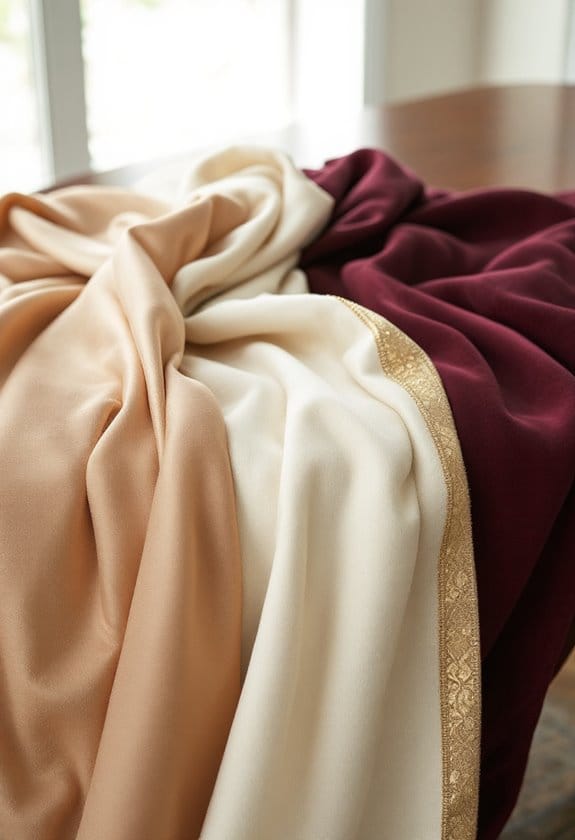


When checking cashmere pieces (lucky you!), don't settle for anything less than "100% cashmere" on the label. And if you see a quality grade listed, even better! Remember, natural fiber blends can work great too, but make sure those natural materials are the star of the show. Your clothes should feel as good as they look, and choosing the right fiber content is the first step! ✨
Construction Quality Markers
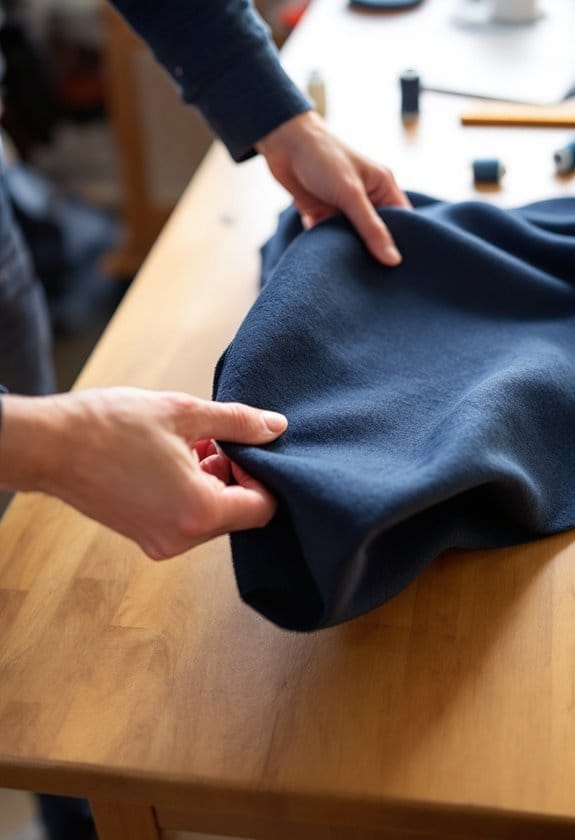
When you're checking out a garment's quality, start by running your fingers along the seams – they should feel smooth and have tight, even stitching that's perfectly aligned! 👕 You'll want to look closely at any buttons, zippers, or snaps to make sure they're firmly attached and properly reinforced, with no loose threads or wobbling. And don't forget to flip the garment inside out (yes, right there in the store!) to examine those hems and seam finishes, because a well-constructed piece will look just as polished on the inside as it does on the outside. 🧵
Inspecting Seams and Stitches
Here's a pro tip: flip the garment inside out. You'll want to see clean, finished hems rather than raw edges. Extra top stitching along the seams isn't just for show – it adds strength and durability to your clothes. And remember, perfect alignment matters! When patterns meet at the seams, they should line up beautifully. If they don't, or if you spot wonky stitching, put that piece back on the rack. Trust me, your wardrobe deserves better! ✨
Examining Hardware and Finishes
Remember, quality construction isn't just about looks – it's about making sure your favorite pieces last season after season. Trust your eyes and hands – they'll tell you what's worth your money! ✨
Fabric Weight and Density
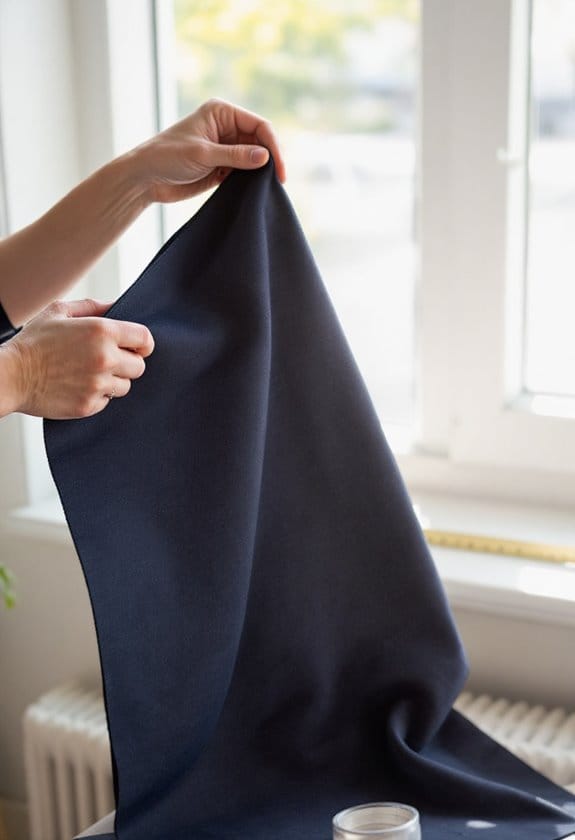
When you're shopping for quality fabrics, remember that heavier weight (200-400 GSM) often means better durability – it's like choosing between a flimsy paper napkin and a thick cotton towel! A dense, tightly-woven fabric 👌 will hold up much better through washing and wear, so run your fingers across it to feel how substantial it is. You can quickly test both weight and density by holding the fabric up to light – if it's fairly opaque and feels weighty in your hands, you've likely found a winner! 🎯
Weight Indicates Superior Quality
Remember, higher GSM values are your friends! They mean you're getting denser, more durable materials that won't sag or lose shape after a few washes. Quality fabrics should have some weight to them, not feel like paper in your hands. So next time you're shopping, don't be shy – give those fabrics a good feel! 🛍️
Dense Weave Lasts Longer
Density matters immensely when you're hunting for top-quality fabrics. You'll want to look for that tight, dense weave that screams "I'm built to last!" 👌 When you're shopping, run your fingers across the material – a high-quality fabric should feel substantial and well-constructed, not flimsy or loose.
Here's a pro tip: hold the fabric up to the light! If you can easily see through it, that's usually not a good sign. In cotton pieces, you're looking for that tight, compact weave that feels sturdy in your hands. Trust me, it'll last longer and keep its shape better after washing! 🧵
The same goes for your cozy wool sweaters and elegant silk pieces. A dense weave in wool means better warmth (hello, winter!) and more durability. And when you're checking out silk, remember – the heavier it feels, the better quality you're getting. Think of it like this: just as a house needs a solid foundation, your clothes need a tight weave to stand the test of time. No one wants their favorite piece falling apart after a few washes! ✨
Testing Fabric Thickness
Mastering fabric thickness tests is essential for identifying premium materials. When you're out shopping, there's a super simple way to check if you're getting your money's worth – just hold that fabric up to the light! 🔍 Quality fabrics won't be see-through, and they'll have a nice, substantial feel to them.
Here's what to look for with different material used: For silk, you'll want to check the momme weight (fancy, right?). Anything 19 or higher means you've got the good stuff! With wool, run your fingers across it – the softer and more tightly woven, the better quality you're getting. And cotton? Well, higher thread counts are your best friend here. 👌
Want a pro tip? Give the fabric a gentle squeeze. Quality fabrics should have some weight to them, especially when you're checking fabric thickness in GSM (grams per square meter). The heavier it feels, the more likely it'll last longer and keep its shape. Trust me, once you start testing fabrics this way, you'll never shop the same again! ✨
Knit and Weave Patterns
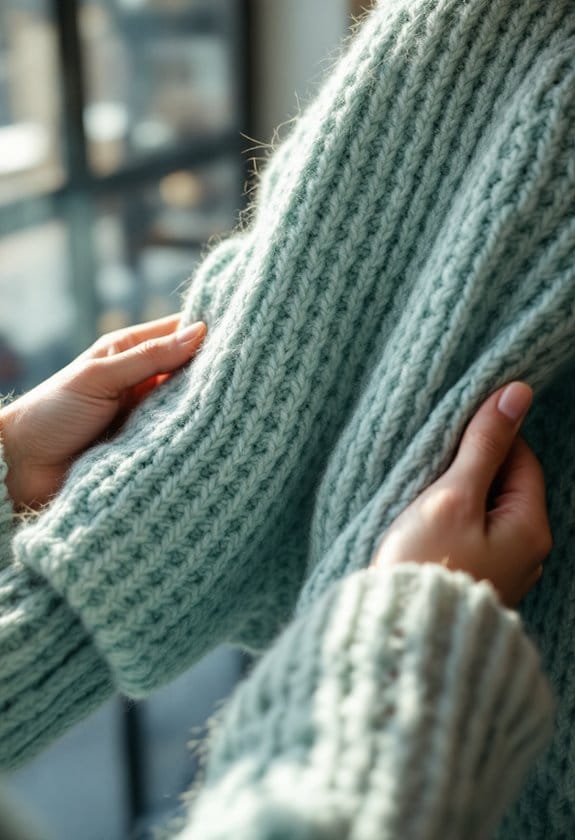
Don't forget to examine the finish quality – it should feel smooth and even, with no loose threads or snags. 🧵 Look for special details like ribbed patterns or intricate designs such as houndstooth – these often signal superior craftsmanship. And here's a pro tip: run your hand over the surface. The best fabrics have that extra touch of softness or sheen that comes from careful finishing treatments. Quality fabric just feels different, and once you know what to look for, you'll spot it instantly!
Feel and Drape Tests
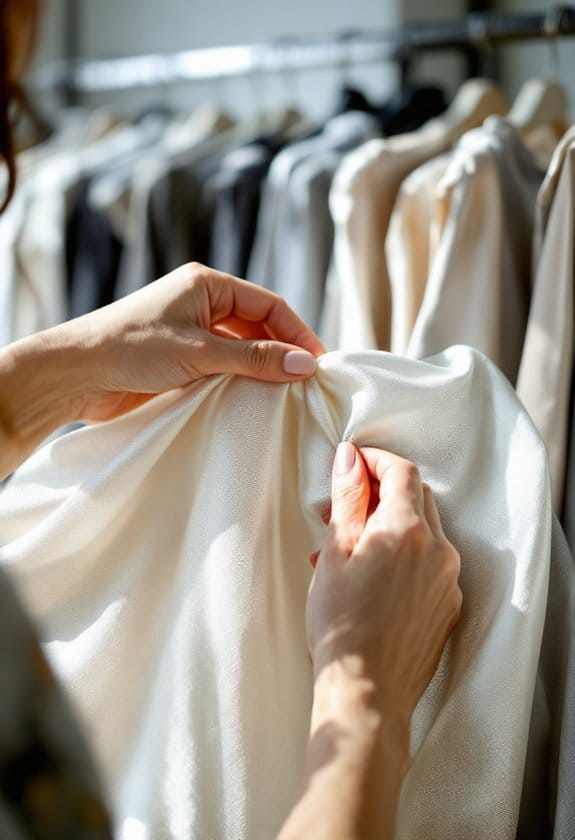
A series of hands-on tests can quickly reveal a fabric's true quality. When you're out shopping, don't be shy – get your hands on that fabric! 👗 Run your fingers across the material and pay attention to how it feels against your skin. Quality fabrics like cashmere and silk should feel incredibly smooth and luxurious, not scratchy or rough.
Next up: the drape test! Hold the fabric up and let it fall naturally. You'll want to see it cascade elegantly, like a waterfall of fabric. If it hangs stiffly or looks saggy, that's a red flag! 🚩 For silk specifically, hold it up to the light – good silk will have a nice opacity while still letting some light through.
Here's a fun one – the bounce-back test! Gently stretch the fabric and see how it recovers. Quality materials should snap right back to their original shape, like they're doing a little fashion dance! When checking cotton, it should feel substantial in your hands, not flimsy or lightweight. Trust me, these simple tests will make you a fabric-shopping pro in no time! ✨
Brand Research and Reputation
Your best bet? Take time to read customer reviews about individual pieces you're interested in. Real people's experiences can tell you so much more than fancy marketing! And remember, transparency is key – if a brand's open about their production methods, that's usually a good sign. 💫
Final Inspection and Care
Proper inspection and care make all the difference in identifying premium fabrics. When you're checking out that gorgeous piece, take a close look at those seams and stitches – they'll tell you everything! 👗 A high-quality garment will have super neat, consistent stitching without any pesky loose threads hanging around.
Don't forget to give those fabrics a little squeeze test! Run your fingers along the material and feel how dense it is. The good stuff should bounce right back into shape, like magic! ✨ And when you're eyeing those fancy blazers and jackets, peek inside – a silk lining is basically screaming "I'm worth it!"
Always, always check those care labels before you commit! They're like little instruction manuals for keeping your clothes looking fantastic. High-quality pieces often need special treatment, but trust me, it's worth the extra effort. Think of it as giving your premium clothes the VIP treatment they deserve! And here's a pro tip: if you see words like "dry clean only" or specific washing instructions, that's usually a good sign you're dealing with the good stuff. 🏷️
Frequently Asked Questions
How to Know if a Fabric Is Good Quality?
You'll know fabric quality by checking durability through seam strength, performing texture analysis by feeling for softness and consistency, and testing colorfastness by rubbing the material gently with a white cloth.
What Is the Highest Quality Fabric for Clothing?
Soft as a cloud, you'll find natural fibers like cashmere and merino wool leading the pack. While the silk vs. cotton debate continues, these luxurious materials offer superior fabric durability and unmatched comfort.
Which Three Criteria Will You Check for Buying Good Quality of the Fabric?
You'll want to check the texture feel by touching the fabric, test durability by gently stretching it, and verify colorfast quality by rubbing a small hidden area to ascertain the dye doesn't bleed.
What Are the 2 Factors to Look for When Buying Fabric?
When buying fabric, you'll want to feel the texture, comparing it against similar materials for softness and quality. Also, test durability by checking fabric weight and density through gentle stretching and handling.
